Equipment Operator
Field & Trades
Runs the excavators, bulldozers, and cranes that move earth and materials, and for cranes specifically, has to hold a real federal certification to do it legally.
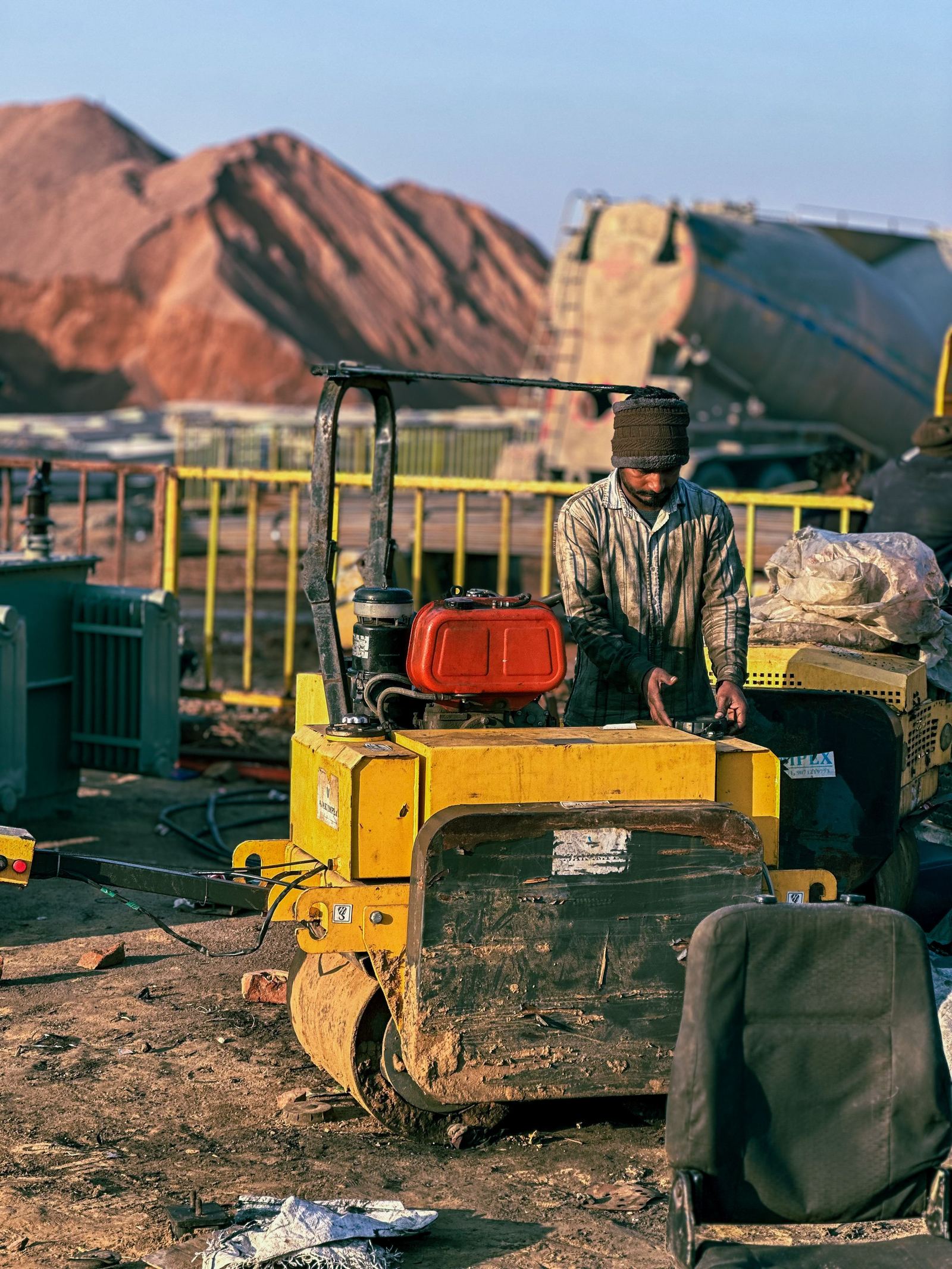
What is a Equipment Operator?
An Equipment Operator runs heavy machinery on a construction site, excavators, bulldozers, loaders, graders, and cranes. Which certification is legally required depends heavily on the specific equipment: most heavy equipment (excavators, dozers, loaders) has no federal certification mandate, just an OSHA requirement that operators be trained and evaluated as competent by their employer. Cranes are the major exception: OSHA's crane standard (29 CFR 1926 Subpart CC) requires anyone operating a crane above a certain capacity on a construction site to be certified by an accredited crane operator testing organization (most commonly through the National Commission for the Certification of Crane Operators, NCCCO), employer-qualified under an audited program, or licensed by a state/local government with its own qualifying program; this is a real, federally enforced requirement, not optional for that equipment type.
What they do
- Operate excavators, bulldozers, loaders, or graders to move earth and materials per the site plan
- Operate cranes to lift and place materials, following signal person direction and load charts
- Perform pre-operation inspections and basic maintenance on assigned equipment
- Read grading and site plans to execute cuts, fills, and grading to the correct elevations
- Coordinate with ground crews and signal persons for safe, precise material placement
- Maintain daily logs of equipment hours and any maintenance issues
A typical day
- 6:30 AMInspect assigned equipment before starting work
- 7:00 AMGrade a section of site to the elevations shown on the civil drawings
- 10:00 AMOperate a crane to place structural steel, coordinating with a signal person
- 1:00 PMMove materials to staging areas as the day's deliveries arrive
- 3:30 PMComplete end-of-day equipment inspection and log hours
Skills
Software
Education
- Required:
- High school diploma or equivalent, then on-the-job training or a formal apprenticeship; for most heavy equipment, OSHA requires only employer training and a competency evaluation, but operating a crane above OSHA's threshold on a construction site legally requires certification under 29 CFR 1926 Subpart CC, most commonly earned through NCCCO, or an equivalent employer or government qualification program
- Helpful:
- Additional equipment-specific certifications as an operator's equipment portfolio grows
- Not necessary:
- A four-year college degree; this trade is learned through hands-on training and, for cranes, a certification exam rather than classroom study
Career progression
- 1.Apprentice / Entry-Level Operator
- 2.Certified Equipment Operator
- 3.Crane Operator (with NCCCO or equivalent certification)
- 4.Equipment Superintendent or Fleet Manager
Who hires for this role
Explore next