Ironworker
Field & Trades
Erects the structural steel skeleton a building hangs from, often working at height on beams before any floor or safety net exists below.
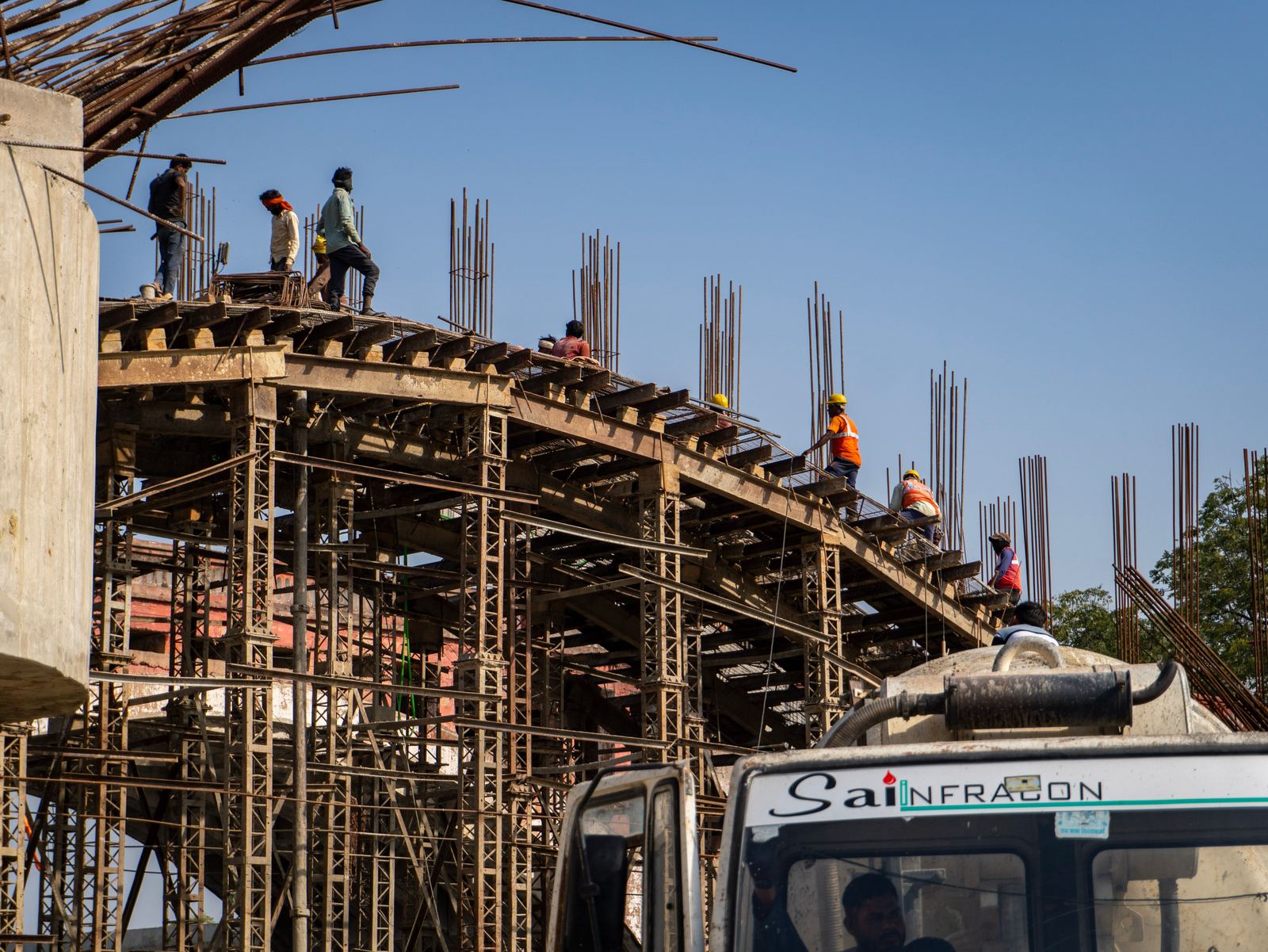
What is a Ironworker?
An Ironworker erects and connects structural steel (and, in a related specialty, places reinforcing steel/"rebar" in concrete). Structural ("erecting") ironworkers set beams and columns with a crane and bolt or weld them into place, frequently working at significant height. No government-issued personal license is required to work as an ironworker, but two things become legally or contractually mandatory depending on the specific work: OSHA's steel erection standard (29 CFR 1926 Subpart R) requires specific fall-protection and connector training for structural steel erection work, and AWS D1.1 structural welding certification is required, by code or contract, not by the ironworker trade itself, specifically for ironworkers who perform structural steel welding connections, not for those doing bolted connections only.
What they do
- Erect structural steel beams and columns using a crane, guiding pieces into position
- Bolt or weld steel connections according to structural drawings
- Place and tie reinforcing steel (rebar) in concrete forms before a pour, on the reinforcing side of the trade
- Read structural drawings to verify correct steel placement and connection details
- Rig loads for the crane operator and work as part of a coordinated erection crew
- Follow fall-protection procedures required for steel erection work at height
A typical day
- 6:30 AMReview the day's erection sequence and rigging plan with the crew
- 7:00 AMGuide steel beams into position as the crane sets them, connecting temporarily with bolts
- 9:30 AMMake final structural connections, bolting or welding per the drawings
- 12:00 PMRig the next load and coordinate with the crane operator on placement
- 2:30 PMVerify plumb and alignment of the day's erected steel before securing it permanently
Skills
Software
Education
- Required:
- High school diploma or equivalent, typically followed by a formal apprenticeship, no personal government license is required to work as an ironworker. Ironworkers doing structural steel erection are legally required to follow OSHA's steel erection fall-protection and connector training rules (29 CFR 1926 Subpart R), and an ironworker who performs structural steel welding connections needs AWS D1.1 structural welding certification for that specific scope of work
- Preferred:
- Completion of a formal ironworker apprenticeship (typically 3-4 years, often through a union)
- Helpful:
- OSHA 30 certification, crane signal person certification for those who rig and signal regularly
- Not necessary:
- A college degree, since this trade is learned entirely through apprenticeship
Career progression
- 1.Apprentice Ironworker
- 2.Journeyman Ironworker
- 3.Foreman
- 4.Superintendent or own an ironworking/steel erection business
Who hires for this role
Explore next