Career
Carpenter
Field & Trades
Builds the wood and metal framing that gives a structure its shape, and the finish work that makes it look done.
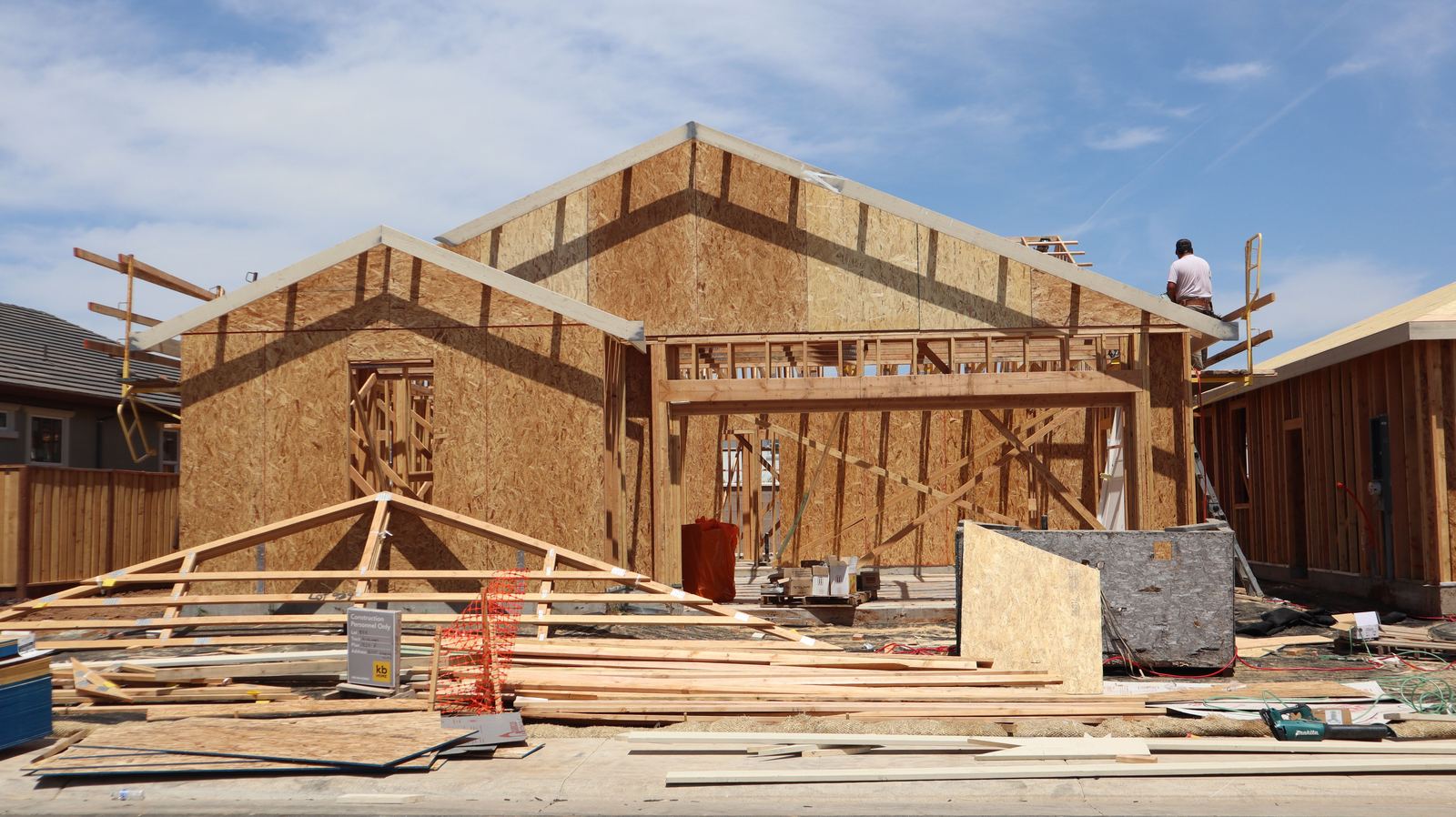
What is a Carpenter?
A Carpenter builds and installs wood, metal-stud, and composite structures on a project, from framing walls, floors, and roofs early in a project (rough carpentry) to installing trim, cabinetry, and doors near the end (finish carpentry). Commercial carpenters usually work for a framing or general carpentry subcontractor, and their work ranges from physically demanding structural framing to precise, detail-oriented finish work depending on the phase of the project.
What they do
- Frame walls, floors, and roof structures according to structural drawings
- Install metal stud framing for interior partitions on commercial projects
- Build and set concrete formwork that holds concrete in place until it cures
- Install doors, trim, cabinetry, and other finish carpentry near project closeout
- Read structural and architectural drawings to plan layouts before cutting material
- Coordinate with other trades so framing leaves the right openings for electrical, plumbing, and HVAC
A typical day
- 6:30 AMReview the day's framing layout and stage lumber or metal studs for the crew
- 7:00 AMFrame interior partition walls on the level currently under construction
- 10:30 AMCoordinate with the electrician on stud spacing near a panel location
- 1:00 PMBuild and set concrete formwork for an upcoming pour
- 3:30 PMCheck completed framing against the drawings before the next trade moves in
Skills
Reading architectural and structural drawingsFraming and formworkPrecise measurement and cuttingBlueprint math (layout, angles, material takeoff)Working safely at height and around power tools
Software
Bluebeam
Education
- Required:
- High school diploma or equivalent, then a registered apprenticeship (typically 3-4 years of paid on-the-job training plus classroom hours); carpentry isn't separately state-licensed in most places the way electrical or plumbing work is
- Helpful:
- OSHA 10 or 30 certification (not a nationwide legal requirement, though several states, including New York, Massachusetts, Connecticut, Nevada, Missouri, and Rhode Island, legally require it for workers on public construction projects) and fall protection or scaffold certifications for framing at height
- Not necessary:
- A four-year college degree; the apprenticeship-to-journeyman route is the standard path, and many carpenters move up through the trade rather than through school
Career progression
- 1.Apprentice Carpenter
- 2.Journeyman Carpenter
- 3.Lead Carpenter or Carpentry Foreman
- 4.Carpentry Contractor (running your own crew/business) or Superintendent
Who hires for this role
Carpentry and Framing SubcontractorsGeneral Contractors (on projects that self-perform framing)Custom home builders and remodeling companies
Explore next
ConstructionGeneral ContractorFormworkMetal StudsFraming LumberEngineered LumberRough CarpentryFinish CarpentryInsulationFlashingVapor BarrierAir BarrierDoors & FramesWindowsDoor HardwareCeiling Tile (ACT)Acoustic TreatmentBuilding EnvelopeSuperintendentOSHA 10-Hour ConstructionNCCER Core CurriculumConstruction Interview Basics: What to ExpectDrywall Installer & Finisher (Taper)Construction LaborerField & Trades Interview GuideHow a Building Actually Gets Built, Foundation to FinishSketchUpOperable PartitionsToilet PartitionsInterior Signage & WayfindingWall & Corner GuardsCaseworkArchitectural WoodworkFire-Retardant-Treated WoodSheathingStone VeneerContinuous InsulationPassive HouseConstruction Robotics & Automation