Career
Electrician
Field & Trades
Installs and wires the systems that bring power, light, and data into a building, and keeps them from becoming a fire hazard.
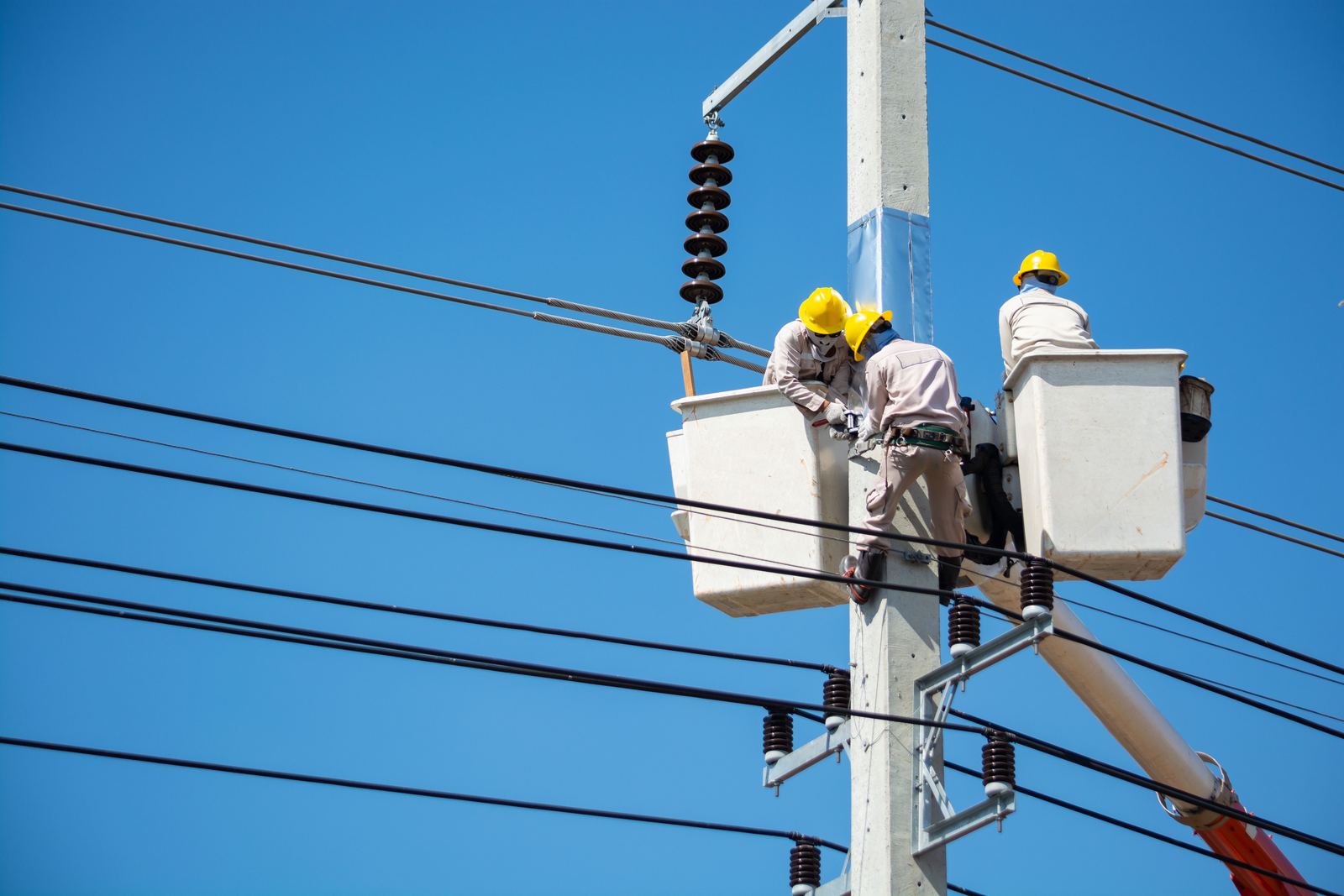
What is a Electrician?
An Electrician installs, maintains, and repairs the electrical systems in a building, wiring, panels, outlets, lighting, and increasingly low-voltage data and security systems. On a commercial job they usually work for an electrical subcontractor, not the general contractor directly, and their work has to pass inspection against the National Electrical Code (NEC) before it can ever be covered up by drywall.
What they do
- Run conduit and pull wire through framed walls before drywall goes up (rough-in)
- Install panels, breakers, outlets, switches, and fixtures (trim-out)
- Read electrical drawings and one-line diagrams to plan a layout before cutting anything
- Troubleshoot circuits that aren't working and trace the fault back to its source
- Coordinate with plumbers and HVAC crews so nobody's rough-in occupies the same wall cavity at the same time
- Test and inspect completed work before the local electrical inspector signs off on it
A typical day
- 6:30 AMReview the day's task list and pull materials for the panels being wired that day
- 7:00 AMRough-in wiring on the second floor, following the drawings' outlet and switch locations
- 10:30 AMStop to answer a question from the superintendent about a light fixture location that isn't clear on the plans
- 1:00 PMTerminate wiring into a newly set panel and label each circuit
- 3:30 PMWalk finished rough-in with the inspector before the wall gets closed up
Skills
Reading electrical drawings and code (NEC)Wiring and conduit installationTroubleshootingBlueprint math (load calculations, conduit fill)Working safely around live circuits
Software
Bluebeam
Education
- Required:
- High school diploma or equivalent, then a registered apprenticeship (typically 4-5 years of paid on-the-job training plus classroom hours); a Journeyman Electrician license is legally required by most states/municipalities before working unsupervised; an apprentice works under a licensed electrician until then
- Helpful:
- OSHA 10 or 30 certification, not a nationwide legal requirement, though several states (including New York, Massachusetts, Connecticut, Nevada, Missouri, and Rhode Island) legally require it for workers on public construction projects specifically
- Not necessary:
- A four-year college degree isn't part of this path; the apprenticeship-to-license route is the standard one, and it pays during training rather than costing tuition
Career progression
- 1.Apprentice Electrician
- 2.Journeyman Electrician
- 3.Master Electrician
- 4.Electrical Foreman or Electrical Contractor (running your own crew/business)
Who hires for this role
Electrical SubcontractorsGeneral Contractors (on projects that self-perform electrical work)Facilities/Maintenance departments
Explore next
ConstructionGeneral ContractorPanel BoardConduitRough-In ElectricalSwitchgearTransformerLow-Voltage CablingFire Alarm SystemAccess Control SystemLockout/Tagout (LOTO)OSHA 10-Hour ConstructionOSHA 30-Hour ConstructionNCCER Core CurriculumConstruction Interview Basics: What to ExpectConstruction LaborerField & Trades Interview GuideHow a Building Actually Gets Built, Foundation to FinishFind Your Career MatchElevator & Escalator TechnicianSolar PV InstallerMEP EngineerRenewable Energy Project ManagerFire-Rated AssemblyElectrical Safety Standard / NFPA 70EDirect Digital Control (DDC)Systems FurnitureResidential AppliancesWindow TreatmentsFoodservice EquipmentFirestoppingOverhead Coiling DoorsVideo Surveillance (CCTV)Intrusion Detection SystemLighting Control SystemStructured Cabling SystemEmergency/Standby GeneratorUninterruptible Power Supply (UPS)Grounding & BondingAugmented Reality on the JobsiteBattery Energy Storage System (BESS)EV Charging Infrastructure